
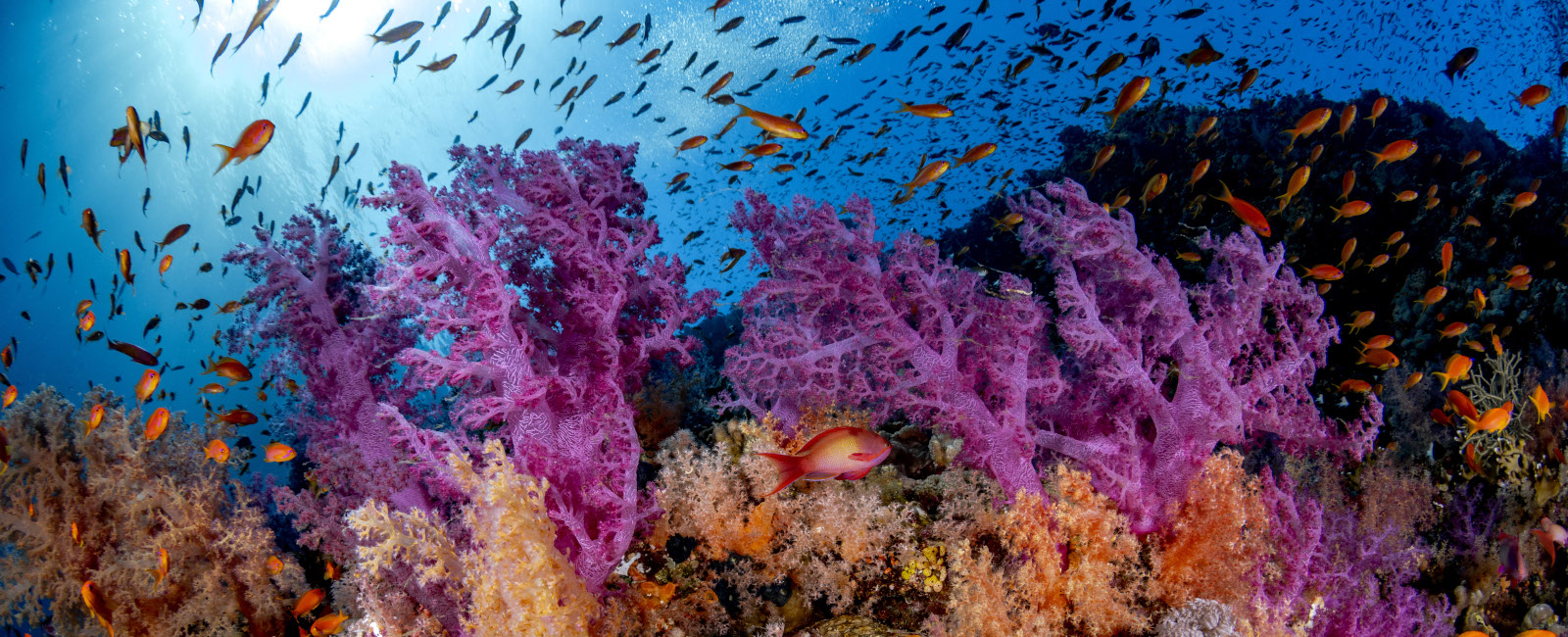
Impacts on water quality, overfishing, and mechanical damage have been gradually degrading coral reefs. To these local impacts has been added the impact of ocean warming, to which corals are particularly sensitive. Between 1970 and 2020, it is estimated that half of the coral abundance has been lost, and the Intergovernmental Panel on Climate Change informed the parties to the United Nations Framework Convention on Climate Change that existing scientific evidence predicts that between 70% and 90% of coral abundance will be lost if warming reaches 1.5°C above pre-industrial levels, with this loss reaching 99% if warming hits 2°C. Coral reefs are therefore among the first ecosystems at risk of collapse due to climate change. To address this threat, it is crucial to redouble efforts to reduce greenhouse gas emissions, while simultaneously developing new scientific and technological tools to protect coral reefs. Meeting in Madrid in 2026, the Scientific Advisory Committee of CORDAP, the global platform for accelerating coral R&D, is working to advance and deploy these new technologies.
Participants
Professor Anastazia Banaszak, researcher at the Academic Unit of Coral Reef Systems of the Ocean Sciences Intitute, Metropolitan Autonomous University of Mexico, and Chair of the CORDAP Scientific Advisory Committee: Addressing the risk of ecological collapse in the Caribbean.
Professor Michelle Taylor, scientific director of Ocean Census and Senior Lecturer, University of Essex (UK): Accelerating Science and Action to Conserve Deep-Sea Coral Habitats.
Dr. Just Cebrián, marine ecologist and Special Advisor, CORDAP: Progress of the Global Platform to Accelerate Coral R&D, CORDAP.org.
Professor Carlos Duarte, Tarek Ahmed Juffali Research Chair in Red Sea Ecology. King Abdullah University of Science and Technology (Saudi Arabia) and Chief Executive Officer, CORDAP: Preventing the Collapse of Coral Ecosystems is a Generational Responsibility.
Image credit: Renata Romeo and Ocean Image Bank